


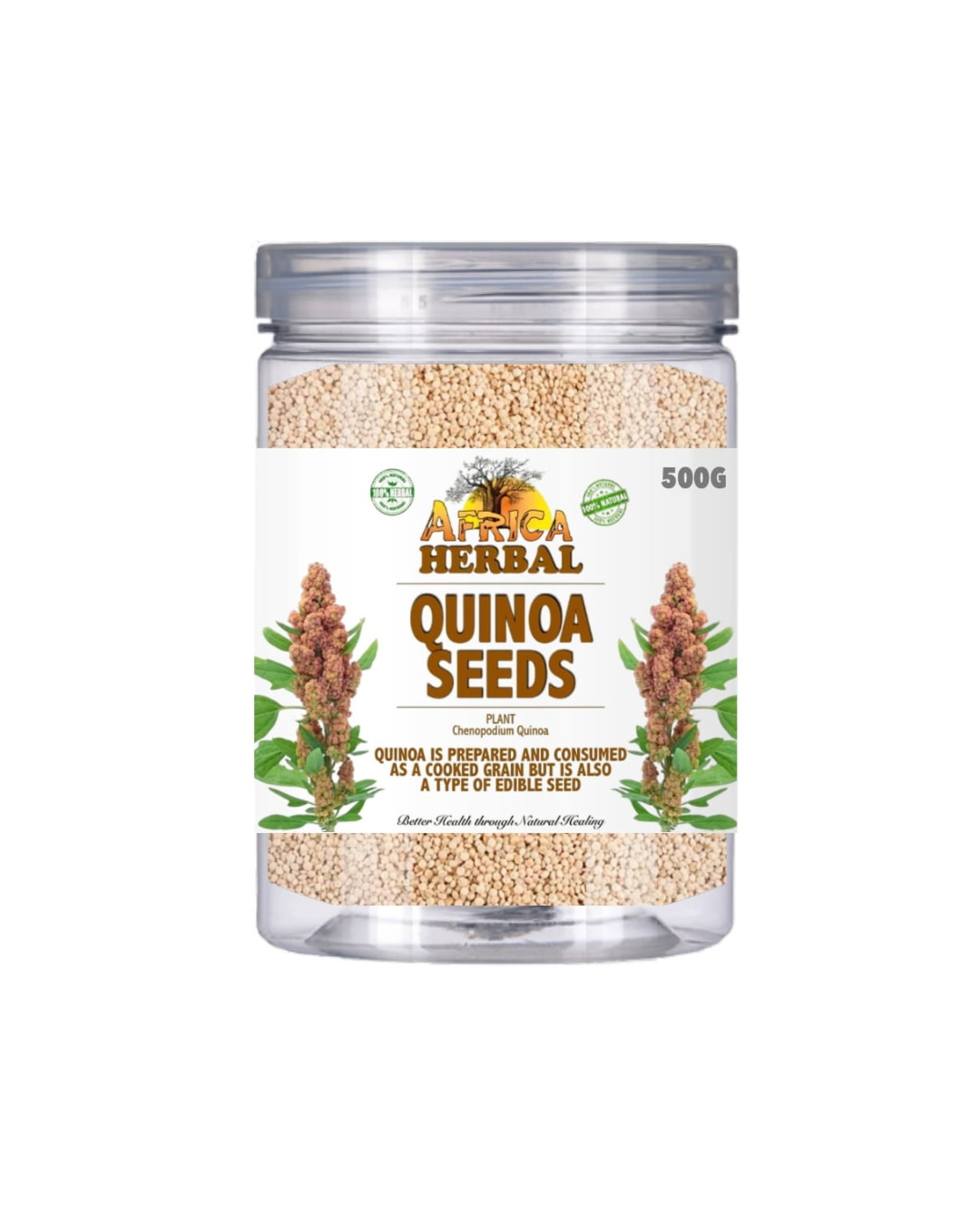
QUINOA IS PREPARED AND CONSUMED AS A COOKED GRAIN BUT IS ALSO A TYPE OF EDIBLE SEED. THEY ARE A COMPLETE PROTEIN SOURCE, RICH IN FIBER AND ESSENTIAL NUTRIENTS, SUPPORTING ENERGY, DIGESTION AND OVERALL HEALTH AS A GLUTEN-FREE SUPERFOOD
QUINOA SEEDS HEALTH BENEFITS
Complete Protein Source
Quinoa Is One Of The Few Plant-Based Foods That Is A Complete Protein, Meaning It Contains All Nine Essential Amino Acids. This Makes It An Excellent Protein Source For Vegetarians, Vegans, And Anyone Looking To Reduce Their Consumption Of Animal Products.
Its High Protein Content Supports Muscle Building, Repair, And Overall Body Function.
High In Fiber
Quinoa Is Rich In Dietary Fiber, Which Aids Digestion, Promotes Regular Bowel Movements, And Helps Prevent Constipation.
The Fiber Content Also Contributes To Better Blood Sugar Control, Making It Beneficial For Individuals With Diabetes. It Can Help Slow Down The Absorption Of Sugar, Preventing Spikes In Blood Glucose Levels.
Rich In Antioxidants
Quinoa Contains A Range Of Antioxidants, Such As Flavonoids (Quercetin And Kaempferol), Which Have Anti-Inflammatory, Antiviral, And Anti-Cancer Properties. These Antioxidants Protect Cells From Damage Caused By Free Radicals And May Reduce The Risk Of Chronic Diseases Like Heart Disease And Cancer.
The Antioxidant Properties Of Quinoa May Also Support Skin Health And Slow The Aging Process .
Supports Heart Health
The High Fiber, Magnesium, And Antioxidant Content In Quinoa Supports Cardiovascular Health. Fiber Helps Lower Cholesterol Levels, While Magnesium Aids In Blood Pressure Regulation.
Quinoa's Healthy Fats, Particularly Omega-3 And Omega-6 Fatty Acids, Also Contribute To A Healthier Heart By Reducing Inflammation And Supporting Normal Blood Lipid Levels .
Rich In Nutrients And Minerals
Quinoa Is A Good Source Of Essential Vitamins And Minerals, Including Magnesium, Potassium, Iron, Calcium, And B-Vitamins. These Nutrients Support Energy Metabolism, Bone Health, Nerve Function, And The Formation Of Red Blood Cells.
Its High Magnesium Content Is Particularly Beneficial For Maintaining Healthy Muscles, Nerves, And Heart Function.
Gluten-Free Alternative
Quinoa Is Naturally Gluten-Free, Making It A Safe And Nutritious Choice For Individuals With Celiac Disease Or Gluten Sensitivity. It Can Be Used In Place Of Wheat, Barley, Or Other Gluten-Containing Grains In Recipes.
May Aid In Weight Management
The Combination Of Protein And Fiber In Quinoa Can Promote Satiety, Helping You Feel Full For Longer And Potentially Reducing Overall Calorie Intake. This Makes Quinoa A Good Option For Weight Management.
Its Low Glycemic Index Also Makes It A Good Food Choice For Those Trying To Manage Weight Or Reduce The Risk Of Developing Type 2 Diabetes.
Supports Blood Sugar Regulation
Quinoa's Low Glycemic Index And High Fiber Content Help Stabilize Blood Sugar Levels By Slowing Down The Digestion And Absorption Of Carbohydrates.
This Makes Quinoa A Good Option For Individuals Looking To Control Blood Sugar And Maintain Steady Energy Levels.
Aids In Digestion
The Fiber In Quinoa Not Only Helps With Blood Sugar Control But Also Supports Digestive Health By Feeding The Beneficial Bacteria In The Gut, Acting As A Prebiotic.
Improved Digestion Can Enhance Nutrient Absorption And Support A Healthy Gut Environment.
Supports Metabolic Health
Some Studies Suggest That Quinoa May Improve Metabolic Health By Lowering Blood Triglycerides And Supporting Healthier Cholesterol Levels. This Can Reduce The Risk Factors Associated With Metabolic Syndrome.
Its Rich Nutrient Profile Supports Energy Production And Helps Maintain A Healthy Metabolism.
May Have Anti-Inflammatory Effects
The Antioxidants And Phytonutrients In Quinoa Can Help Reduce Inflammation In The Body. This May Be Beneficial In Preventing And Managing Conditions Related To Chronic Inflammation, Such As Arthritis, Heart Disease, And Autoimmune Disorders.
Nutritional Highlights Of Quinoa
Protein: 8 Grams Per Cup (Cooked) – A High-Quality Source For Plant-Based Diets.
Fiber: About 5 Grams Per Cup (Cooked) – Supports Digestive Health.
Iron: Essential For Red Blood Cell Formation And Oxygen Transport.
Magnesium: Supports Muscle And Nerve Function.
Folate: Important For DNA Synthesis And Cell Growth.
Antioxidants: Protect Against Oxidative Stress And Inflammation.
How To Include Quinoa In Your Diet
Salads: Use As A Base For Salads, Adding Vegetables, Nuts, And A Light Dressing.
Bowls: Create Grain Bowls With Quinoa, Lean Protein, And A Variety Of Vegetables.
Soups And Stews: Add Cooked Quinoa To Soups Or Stews For Added Texture And Nutrition.
Breakfast: Cook Quinoa With Milk Or Water And Serve It As A Warm Breakfast Cereal With Fruit, Nuts, And A Touch Of Honey.
Baking: Use Quinoa Flour In Gluten-Free Baking Recipes Or Add Cooked Quinoa To Muffin And Bread Batters.
Plant
Chenopodium Quinoa
