


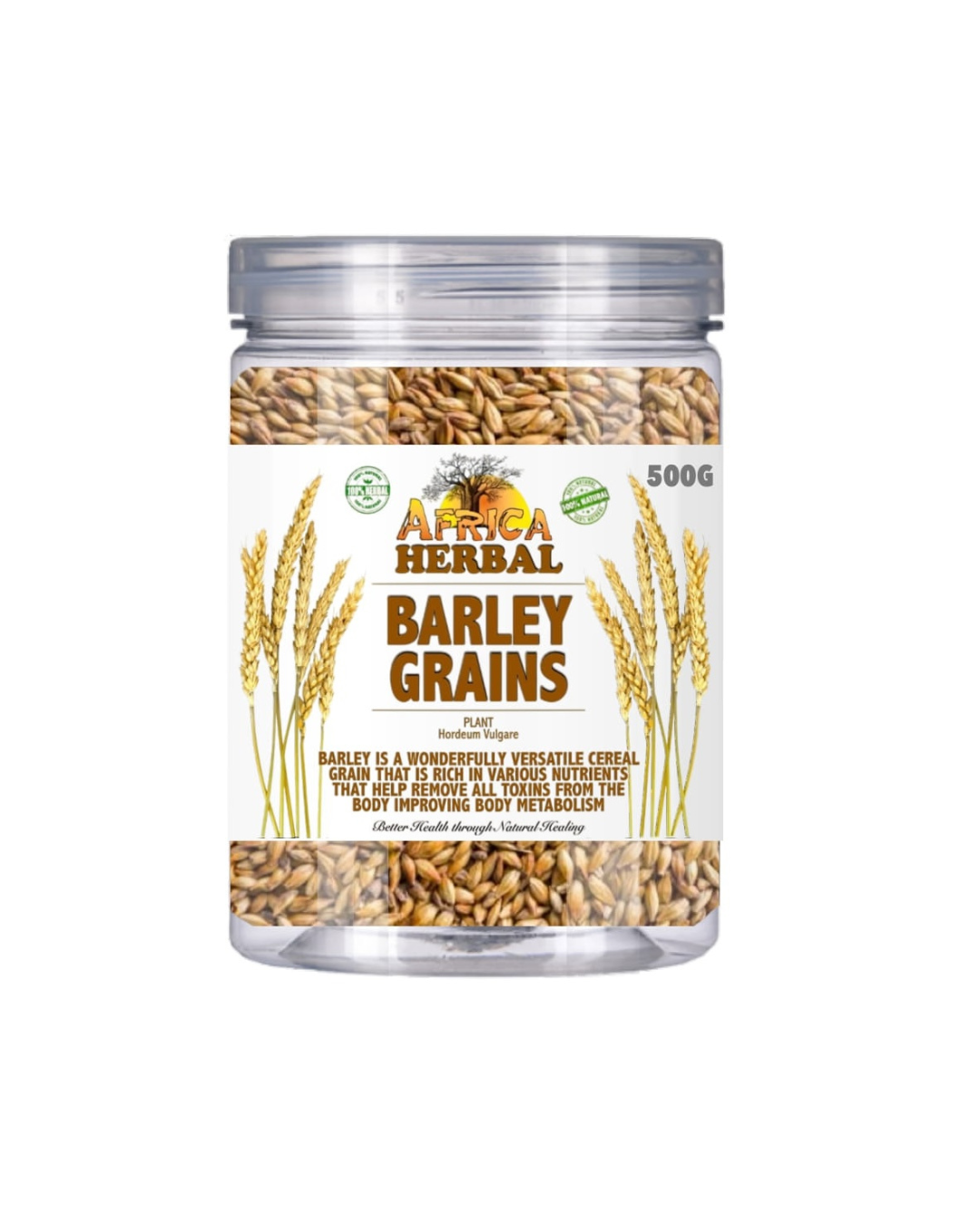
BARLEY - HISTORICALLY UTILIZED AS A STAPLE ACROSS THE GLOBE, PROVIDES EXTENSIVE CARDIOVASCULAR, METABOLIC, AND GASTROINTESTINAL WELLNESS BENEFITS.
Advanced Blood Sugar Control
Barley Is Widely Considered One Of The Most Effective Grains For Managing And Preventing Type 2 Diabetes.
The Beta-Glucan Effect: It Is Uniquely Rich In Beta-Glucan, A Soluble Fiber That Forms A Gel-Like Substance In The Gut. This Drastically Slows Carbohydrate Digestion And Delays Glucose Absorption, Leading To Stable Energy Levels Without Sharp Insulin Spikes.
Low Glycemic Index (GI): Barley Ranks Substantially Lower On The GI Scale Than Modern Wheat, White Rice, And Even Some Varieties Of Oats.
Magnesium Density: Packing High Levels Of Magnesium, Barley Aids The Body In Properly Secreting And Utilizing Insulin.
Comprehensive Digestive & Gut Wellness
Barley Operates As A Powerful Functional Food For The Entire Gastrointestinal Tract.
Prebiotic Fuel: The Resistant Starch And Soluble Fibers In Barley Act As Prebiotics. They Serve As Vital Food Sources For The Beneficial Bacteria In Your Microbiome, Optimizing Your Overall Digestive Health.
Bowel Regularity: A Single Cooked Cup Delivers Around 6 Grams Of Dietary Fiber, Keeping The Digestive Tract Active, Adding Bulk To Stool, And Systematically Preventing Constipation.
Cardioprotective Capabilities
Regular Consumption Of Whole Barley Significantly Curbs The Risk Factors Associated With Heart Disease.
Sweeps Out Cholesterol: The Beta-Glucan Fiber Explicitly Binds To Bile Acids And Cholesterol In The Digestive Tract. This Causes Your Body To Eliminate Them Naturally Rather Than Absorbing Them Into The Bloodstream, Lowering LDL ("Bad") Cholesterol.
Blood Pressure Regulation: Its Combination Of Soluble Fiber, Potassium, And Antioxidants Works In Tandem To Relax Blood Vessels And Modestly Lower Systemic Blood Pressure.
Weight Management & Satiety
For Those Looking To Manage Weight Naturally, Barley Provides Sustained Satisfaction.
Suppressed Appetite: Because Its Fiber Delays Stomach Emptying, Eating Barley Triggers The Release Of Satiety Hormones. This Helps Keep You Feeling Fuller For Hours And Decreases Overall Daily Calorie Intake.
Cell Defense And Vitality
Barley Is An Abundant Source Of Micro-Minerals And Protective Plant Compounds.
Rich In Lignans: It Contains A Group Of Cell-Protecting Antioxidants Known As Lignans, Which Are Clinically Linked To Lowered Systemic Inflammation And A Reduced Risk Of Certain Chronic Diseases.
Trace Minerals: It Features High Concentrations Of Selenium (Vital For Thyroid And Immune Function), Copper, And Manganese.
HOW TO PREPARE HULLED BARLEY
The Master Cooking Method
Cooking Whole Hulled Barley Is Straightforward, Though It Takes Longer Than Other Grains Due To Its High Fiber Structure.
The Ratio: Use 1 Cup Of Dry Hulled Barley To 3 Cups Of Liquid (Water Or Low-Sodium Broth).
The Overnight Shortcut (Highly Recommended): Soak The Grains In Water Overnight (Or For 8–10 Hours) Before Cooking. This Cuts Your Cooking Time Nearly In Half And Breaks Down Gluten Structures For Much Easier Digestion.
The Simmer:
Rinse The Grains Thoroughly Under Cold Water.
Bring Your Liquid And A Pinch Of Salt To A Boil, Then Stir In The Barley.
Reduce The Heat To Low, Cover With A Lid, And Let It Simmer.
If Unsoaked, Simmer For 45 To 60 Minutes (Up To 90 Minutes Depending On Desired Tenderness). If Soaked, It Will Take About 25 To 30 Minutes. It Is Done When The Grains Are Plump And Tender But Still Retain A Pleasant, Distinct Chew.
Best Ways To Eat It Throughout The Day
Once Cooked, Whole Barley Holds Its Shape Beautifully And Doesn't Get Mushy, Making It Incredibly Versatile.
Hearty Soups & Stews: Toss Cooked Whole Barley Into Vegetable, Mushroom, Or Beef Stews During The Last 15 Minutes Of Cooking. It Absorbs The Flavors Of The Broth And Acts As A Natural Thickener.
Robust Grain Salads: Let The Cooked Barley Cool, Then Toss It With Chopped Raw Vegetables (Like Cucumbers, Tomatoes, And Red Onions), Fresh Herbs, And A Light Olive Oil Vinaigrette. It Maintains Its Structural Crunch Even After Days In The Fridge.
Breakfast Porridge: Substitute Your Morning Oats With Whole Barley Grains Or Barley Flakes. Warm It Up With Milk, Cinnamon, Honey, And Nuts For A High-Fiber Breakfast That Stabilizes Blood Sugar All Morning.
The "Barley-Tto" (Risotto Alternative): Use Whole Barley Instead Of Arborio Rice. Simmer It Slowly With Mushrooms, Garlic, And Parmesan Cheese For A Nutty Twist On A Classic Dish.
As A Direct Rice Substitute: Simply Serve It Warm Alongside Curries, Stir-Fries, Or Roasted Meats Exactly How You Would Use Brown Or White Rice.
Drinking Your Whole Grains: Roasted Barley Tea
Popular In East Asia (Known As Boricha Or Mugicha), You Can Enjoy The Wellness Benefits Of Whole Barley In A Refreshing Drink.
Toast Dry Whole Barley Grains In A Skillet Over Medium Heat Until They Turn A Dark Golden Brown And Smell Fragrant.
Boil 2 To 3 Tablespoons Of These Roasted Grains In A Quart Of Water For About 5 Minutes.
Strain Out The Kernels And Enjoy The Tea Hot Or Iced. It Has A Rich, Smoky Flavor, Is Completely Caffeine-Free, And Heavily Aids Digestion.
